Horizons Regional Council




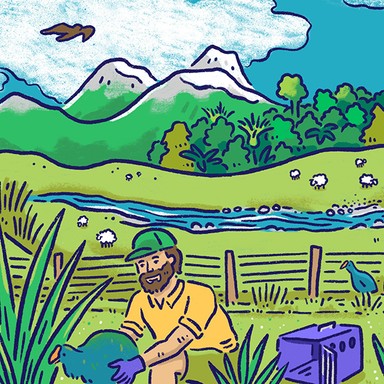
Environment and biodiversity
Protecting the environment and managing natural resources is a key responsibility of regional councils. Regional councils are often also involved in pest control and resource management.
Environment and biodiversity
Protecting the environment and managing natural resources is a key responsibility of regional councils. Regional councils are often also involved in pest control and resource management.
Promote community-led conservation and restoration projects.
Support initiatives for climate adaption, flood protection and biodiversity.
Advocate for research-based solutions to achieve a balance between environmental and social outcomes.
Place catch and release second to life sustenance including rubbish and wetlands and water meeting WHO standards while emphasising civil defence four Rs: reduction, readiness and response, recovery.
Prioritise climate change after people such as farmers who provide the only cash flow that New Zealand currently has and use renewable energy resources when readily one hundred percent available.
Ensure water supplies meet WHO standards with wetland projects applied post sustainable people incomes and costs while keeping lakes, rivers and estuaries clear.
Promote community-led conservation and restoration projects.
Support initiatives for climate adaption, flood protection and biodiversity.
Advocate for research-based solutions to achieve a balance between environmental and social outcomes.
Place catch and release second to life sustenance including rubbish and wetlands and water meeting WHO standards while emphasising civil defence four Rs: reduction, readiness and response, recovery.
Prioritise climate change after people such as farmers who provide the only cash flow that New Zealand currently has and use renewable energy resources when readily one hundred percent available.
Ensure water supplies meet WHO standards with wetland projects applied post sustainable people incomes and costs while keeping lakes, rivers and estuaries clear.
Mayor
Compare the mayoral candidates in your area
Local council
Compare the candidates for your city or district council
Regional council
Compare the candidates for your regional council
Local board
Compare the candidates for your local or community board