Horizons Regional Council



Climate change and resilience
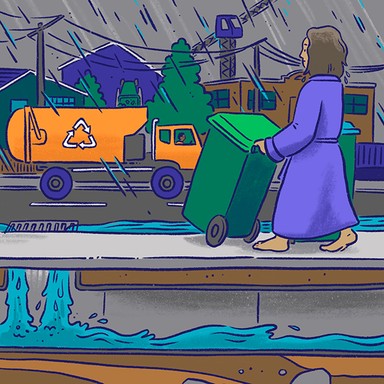
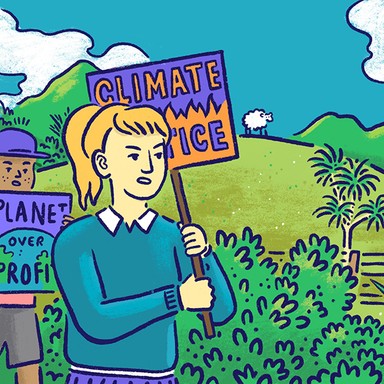
Climate change poses a huge challenge for communities as more frequent extreme weather events require us to rethink how we live and where. Local authorities are at the forefront of efforts to respond, with responsibilities for environmental planning and regulation, as well as civil defence. Many councils have plans to reduce emissions in their area and are working to help their communities adapt to a warming world.
Climate change and resilience
Climate change poses a huge challenge for communities as more frequent extreme weather events require us to rethink how we live and where. Local authorities are at the forefront of efforts to respond, with responsibilities for environmental planning and regulation, as well as civil defence. Many councils have plans to reduce emissions in their area and are working to help their communities adapt to a warming world.
Strengthen regional emergency community preparedness and coordinated response systems.
Advocate for integrated risk management across flood control, fire risk and coastal hazards.
Support vulnerable communities with tailored resilience strategies.
Prioritise human priorities such as consumer costs and life sustenance. Climate change mitigation including recovery, reduction, readiness and response are a second priority.
Prioritise waterways embanked wetlands, and keep rivers and estuaries clear while having reduction, readiness and response, and recovery sorted.
Establish water supply that conforms to international WHO standards and clear lakes of contaminants with wetlands located in the right topography.
Strengthen regional emergency community preparedness and coordinated response systems.
Advocate for integrated risk management across flood control, fire risk and coastal hazards.
Support vulnerable communities with tailored resilience strategies.
Prioritise human priorities such as consumer costs and life sustenance. Climate change mitigation including recovery, reduction, readiness and response are a second priority.
Prioritise waterways embanked wetlands, and keep rivers and estuaries clear while having reduction, readiness and response, and recovery sorted.
Establish water supply that conforms to international WHO standards and clear lakes of contaminants with wetlands located in the right topography.
Mayor
Compare the mayoral candidates in your area
Local council
Compare the candidates for your city or district council
Regional council
Compare the candidates for your regional council
Local board
Compare the candidates for your local or community board