Whanganui District Council






Utilities and services
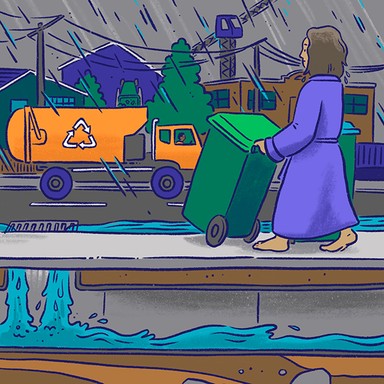
Councils are responsible for a wide range of utilities and services that we all rely on, from rubbish and recycling to street cleaning. Councils are currently also responsible for managing waste water, storm water and drinking water infrastructure – the ‘Three Waters’. But that may be about to change, with central government seeking to shift the delivery of Three Waters services to four new larger entities, which could borrow enough to upgrade the country’s water infrastructure.
Utilities and services
Councils are responsible for a wide range of utilities and services that we all rely on, from rubbish and recycling to street cleaning. Councils are currently also responsible for managing waste water, storm water and drinking water infrastructure – the ‘Three Waters’. But that may be about to change, with central government seeking to shift the delivery of Three Waters services to four new larger entities, which could borrow enough to upgrade the country’s water infrastructure.
Stand against food scraps recycling. During the cost of living crisis, this is not something ratepayers want and the uptake seems small.
Regularly engage with Business Whanganui to understand concerns such as parking, safety and local support.
Maintain local control of the Three Waters and make it work efficiently under the new system.
Improve rubbish collection and recycling and see if there are efficiencies to be made.
Ensure everyone has access to the community by making sure there is adequate mobility parking, ramps and other obstacles are removed.
Introduce discounted multi-entry swim passes for families, seniors and low-income residents to make pools more accessible.
Commit to faster processing for simple residential building projects such as decks, garages and fences.
Invest to reduce the cost of cremation to lighten the load for grieving families.
Focus energy and monitoring in the next few years on designing Three Waters services as joining with Ruapehu.
Maintain education and policing of dog control to reduce wandering dogs and attacks, ensuring resources and effort continue.
Encourage council facilities and events to have waste management plans and be the change wanted in the community.
Continue curbside recycling for urban areas while looking to expand the products that can be collected for recycling.
Introduce stormwater retention tank requirements for new build houses, similar to Kapiti's regulations.
Enforce stricter protections against industrial and agricultural pollution of waterways.
Review animal control procedures, and funding levels for desexing and animal control.
Reduce waste sent to landfill and protect marine ecosystems.
Stand against food scraps recycling. During the cost of living crisis, this is not something ratepayers want and the uptake seems small.
Regularly engage with Business Whanganui to understand concerns such as parking, safety and local support.
Maintain local control of the Three Waters and make it work efficiently under the new system.
Improve rubbish collection and recycling and see if there are efficiencies to be made.
Ensure everyone has access to the community by making sure there is adequate mobility parking, ramps and other obstacles are removed.
Introduce discounted multi-entry swim passes for families, seniors and low-income residents to make pools more accessible.
Commit to faster processing for simple residential building projects such as decks, garages and fences.
Invest to reduce the cost of cremation to lighten the load for grieving families.
Focus energy and monitoring in the next few years on designing Three Waters services as joining with Ruapehu.
Maintain education and policing of dog control to reduce wandering dogs and attacks, ensuring resources and effort continue.
Encourage council facilities and events to have waste management plans and be the change wanted in the community.
Continue curbside recycling for urban areas while looking to expand the products that can be collected for recycling.
Introduce stormwater retention tank requirements for new build houses, similar to Kapiti's regulations.
Enforce stricter protections against industrial and agricultural pollution of waterways.
Review animal control procedures, and funding levels for desexing and animal control.
Reduce waste sent to landfill and protect marine ecosystems.
Mayor
Compare the mayoral candidates in your area
Local council
Compare the candidates for your city or district council
Regional council
Compare the candidates for your regional council
Local board
Compare the candidates for your local or community board