Hamilton City Council





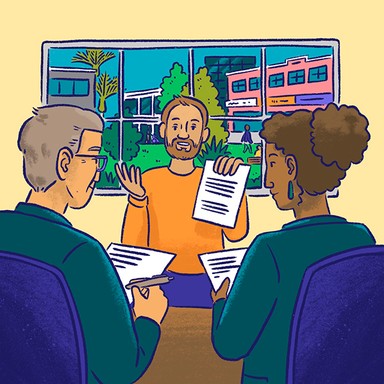
Local democracy
Local government is a foundational part of our democracy. But local democracy isn’t just about holding elections every three years – it’s about the day-to-day ways people have their say in the decisions that affect us all.
Local democracy
Local government is a foundational part of our democracy. But local democracy isn’t just about holding elections every three years – it’s about the day-to-day ways people have their say in the decisions that affect us all.
End race-based policies across local government and treat every resident equally and fairly.
Oppose voting rights for unelected iwi representatives and ensure decisions rest with elected councillors.
Uphold free speech in council venues so lawful community groups can access them without bias.
Increase public engagement by holding regular community forums and online consultations.
Strengthen Māori and ethnic community representation through dedicated advisory panels and support Māori wards.
Ensure fair wages at least the Living Wage and good working conditions for all council employees.
Rebuild trust by making transparency a priority and making it easy because the more information available to the public, the better.
Rebuild trust by genuine consultation rather than predetermined propaganda.
Rebuild trust by ending co-governance and getting rid of DEI policies.
Ensure the retention of Māori wards and māngai Māori at council.
Create targeted engagement opportunities for underrepresented communities.
Fund He Pou Manawa Ora, the council's Māori strategy.
Introduce a visibility policy that expects councillors to be in the office, community and available at identified times for the public.
Establish a strong governance and management relationship through regular sessions with senior leadership in council and elected council members.
Establish an ethnic communities advisory group to communicate with council on important cultural matters to ensure council is responsive.
Have councillors hold regular drop-in clinics and public meetings in community centres to hear people's concerns, ideas and complaints.
Reform council management to enhance transparency and accountability and reduce the complexity and expense of the bureaucracy.
Focus on recruiting, training and retaining competent staff and remove public funding from LGNZ and SOLGM; obtain better services elsewhere.
Ensure full transparency of council spending and decision-making.
Engage regularly with residents through public meetings and surveys.
Review staffing levels and costs to ensure efficiency and value for money.
End race-based policies across local government and treat every resident equally and fairly.
Oppose voting rights for unelected iwi representatives and ensure decisions rest with elected councillors.
Uphold free speech in council venues so lawful community groups can access them without bias.
Increase public engagement by holding regular community forums and online consultations.
Strengthen Māori and ethnic community representation through dedicated advisory panels and support Māori wards.
Ensure fair wages at least the Living Wage and good working conditions for all council employees.
Rebuild trust by making transparency a priority and making it easy because the more information available to the public, the better.
Rebuild trust by genuine consultation rather than predetermined propaganda.
Rebuild trust by ending co-governance and getting rid of DEI policies.
Ensure the retention of Māori wards and māngai Māori at council.
Create targeted engagement opportunities for underrepresented communities.
Fund He Pou Manawa Ora, the council's Māori strategy.
Introduce a visibility policy that expects councillors to be in the office, community and available at identified times for the public.
Establish a strong governance and management relationship through regular sessions with senior leadership in council and elected council members.
Establish an ethnic communities advisory group to communicate with council on important cultural matters to ensure council is responsive.
Have councillors hold regular drop-in clinics and public meetings in community centres to hear people's concerns, ideas and complaints.
Reform council management to enhance transparency and accountability and reduce the complexity and expense of the bureaucracy.
Focus on recruiting, training and retaining competent staff and remove public funding from LGNZ and SOLGM; obtain better services elsewhere.
Ensure full transparency of council spending and decision-making.
Engage regularly with residents through public meetings and surveys.
Review staffing levels and costs to ensure efficiency and value for money.
Mayor
Compare the mayoral candidates in your area
Local council
Compare the candidates for your city or district council
Regional council
Compare the candidates for your regional council
Local board
Compare the candidates for your local or community board