Hamilton City Council
Climate change and resilience
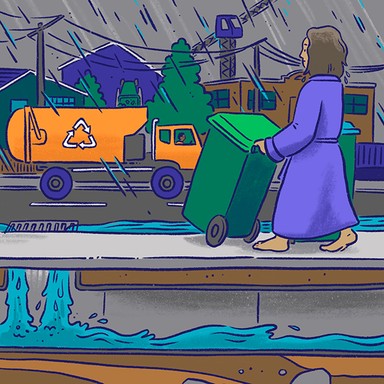
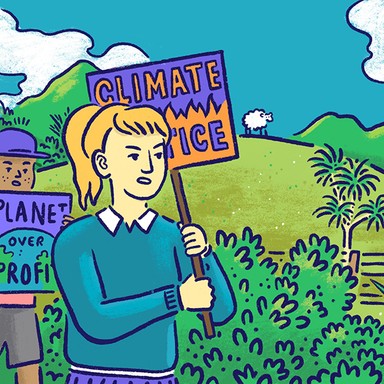
Climate change poses a huge challenge for communities as more frequent extreme weather events require us to rethink how we live and where. Local authorities are at the forefront of efforts to respond, with responsibilities for environmental planning and regulation, as well as civil defence. Many councils have plans to reduce emissions in their area and are working to help their communities adapt to a warming world.
Climate change and resilience
Climate change poses a huge challenge for communities as more frequent extreme weather events require us to rethink how we live and where. Local authorities are at the forefront of efforts to respond, with responsibilities for environmental planning and regulation, as well as civil defence. Many councils have plans to reduce emissions in their area and are working to help their communities adapt to a warming world.
Stop wasting ratepayers' money on emissions cuts and focus the council on core local services, not climate activism.
Remove emissions considerations from all council decisions and consents and prioritise value for money.
Invest in stormwater systems and stop banks to protect homes, businesses and communities from severe weather.
Prioritise essential infrastructure upgrades to prepare for flooding and natural disasters.
Support affordable resilience projects that protect residents without driving up rates.
Improve civil defence readiness through better coordination and community education.
Reduce greenhouse gas emissions across the district by promoting public transport, walking, cycling and renewable energy generation.
Invest in renewable energy, energy efficiency and green technologies within council facilities.
Educate and engage the community in climate change adaptation, emergency preparedness and sustainable practices.
Commit to council establishing a public monitoring framework that shows progress against targets and invites feedback on the progress.
Establish a social investment advisory group to tackle social issues for people and neighbourhoods resulting in resilient communities.
Introduce all papers requiring decisions from council to have a section on environmental impacts and risks for council consideration.
Aim for a community-wide net-zero city and galvanise the community, including businesses, to take on this challenge.
Design, build and maintain robust infrastructure that can handle the most extreme weather and survive many natural disasters.
Protect against cyberattacks and solar activity risks by avoiding over-reliance on internet-connected or controlled infrastructure.
Use realistic modelling to predict risks and prevent policy-based evidence-making being used to justify schemes such as managed retreat.
Invest in infrastructure to be climate-resilient, especially in areas that are more vulnerable in climate events.
Ensure safe, efficient, affordable walking, cycling and public transport options to reduce carbon emissions in the transport system.
Require councils to take account of emissions reduction plans and national adaptation plans when preparing long-term plans.
Stop buying electric vehicles for the council fleet because rare-earth mineral mining does more harm than internal combustion engine cars.
Remove speed bumps that cause more emissions by forcing people to slow down and speed up.
Reduce global warming by cutting the hot air coming out of the council by having fewer committee meetings.
Stop wasting ratepayers' money on emissions cuts and focus the council on core local services, not climate activism.
Remove emissions considerations from all council decisions and consents and prioritise value for money.
Invest in stormwater systems and stop banks to protect homes, businesses and communities from severe weather.
Prioritise essential infrastructure upgrades to prepare for flooding and natural disasters.
Support affordable resilience projects that protect residents without driving up rates.
Improve civil defence readiness through better coordination and community education.
Reduce greenhouse gas emissions across the district by promoting public transport, walking, cycling and renewable energy generation.
Invest in renewable energy, energy efficiency and green technologies within council facilities.
Educate and engage the community in climate change adaptation, emergency preparedness and sustainable practices.
Commit to council establishing a public monitoring framework that shows progress against targets and invites feedback on the progress.
Establish a social investment advisory group to tackle social issues for people and neighbourhoods resulting in resilient communities.
Introduce all papers requiring decisions from council to have a section on environmental impacts and risks for council consideration.
Aim for a community-wide net-zero city and galvanise the community, including businesses, to take on this challenge.
Design, build and maintain robust infrastructure that can handle the most extreme weather and survive many natural disasters.
Protect against cyberattacks and solar activity risks by avoiding over-reliance on internet-connected or controlled infrastructure.
Use realistic modelling to predict risks and prevent policy-based evidence-making being used to justify schemes such as managed retreat.
Invest in infrastructure to be climate-resilient, especially in areas that are more vulnerable in climate events.
Ensure safe, efficient, affordable walking, cycling and public transport options to reduce carbon emissions in the transport system.
Require councils to take account of emissions reduction plans and national adaptation plans when preparing long-term plans.
Stop buying electric vehicles for the council fleet because rare-earth mineral mining does more harm than internal combustion engine cars.
Remove speed bumps that cause more emissions by forcing people to slow down and speed up.
Reduce global warming by cutting the hot air coming out of the council by having fewer committee meetings.
Mayor
Compare the mayoral candidates in your area
Local council
Compare the candidates for your city or district council
Regional council
Compare the candidates for your regional council
Local board
Compare the candidates for your local or community board