Environment Canterbury




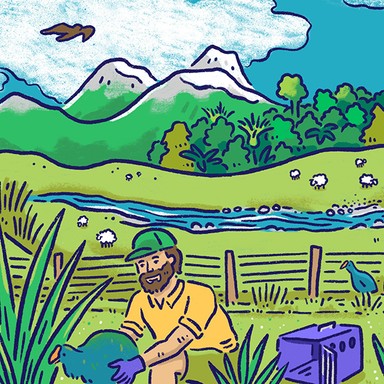
Environment and biodiversity
Protecting the environment and managing natural resources is a key responsibility of regional councils. Regional councils are often also involved in pest control and resource management.
Environment and biodiversity
Protecting the environment and managing natural resources is a key responsibility of regional councils. Regional councils are often also involved in pest control and resource management.
Promote, support, and otherwise do all we can to celebrate voluntary action to actively care for biodiversity.
Acknowledge action to reduce current and historical impact on biodiversity and stream health in planning and consents decisions.
Provide for multi-property approaches to regulation, for example in regional pest management strategy rules.
Support catchment and community groups to regenerate natural habitats to protect land, freshwater and marine biodiversity and local economy.
Increase terrestrial, aquatic and marine pest control and advocate for jobs for nature.
Support recycling and innovative processes turning waste into products while monitoring and regulating discharges to air, water or land.
Strengthen environmental compliance through increased unannounced inspections and escalated penalties for repeat offenders.
Expand wilding pine and wallaby eradication across high country with sustained regional funding and monitoring.
Deploy more advanced monitoring technology to track water quality, air pollution and ecosystem health indicators where currently absent.
Promote, support, and otherwise do all we can to celebrate voluntary action to actively care for biodiversity.
Acknowledge action to reduce current and historical impact on biodiversity and stream health in planning and consents decisions.
Provide for multi-property approaches to regulation, for example in regional pest management strategy rules.
Support catchment and community groups to regenerate natural habitats to protect land, freshwater and marine biodiversity and local economy.
Increase terrestrial, aquatic and marine pest control and advocate for jobs for nature.
Support recycling and innovative processes turning waste into products while monitoring and regulating discharges to air, water or land.
Strengthen environmental compliance through increased unannounced inspections and escalated penalties for repeat offenders.
Expand wilding pine and wallaby eradication across high country with sustained regional funding and monitoring.
Deploy more advanced monitoring technology to track water quality, air pollution and ecosystem health indicators where currently absent.
Mayor
Compare the mayoral candidates in your area
Local council
Compare the candidates for your city or district council
Regional council
Compare the candidates for your regional council
Local board
Compare the candidates for your local or community board