Whau Local Board


Climate change and resilience
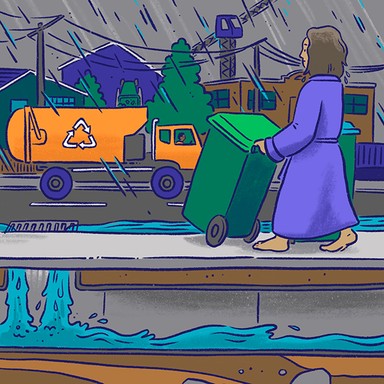
Climate change poses a huge challenge for communities as more frequent extreme weather events require us to rethink how we live and where. Local authorities are at the forefront of efforts to respond, with responsibilities for environmental planning and regulation, as well as civil defence. Many councils have plans to reduce emissions in their area and are working to help their communities adapt to a warming world.
Climate change and resilience
Climate change poses a huge challenge for communities as more frequent extreme weather events require us to rethink how we live and where. Local authorities are at the forefront of efforts to respond, with responsibilities for environmental planning and regulation, as well as civil defence. Many councils have plans to reduce emissions in their area and are working to help their communities adapt to a warming world.
Support greater use of public transport and build more cycleways to reduce emissions, noting that Whau has the lowest level of cycleways in Auckland.
Support creation of local resilience networks to help residents prepare for and recover from emergencies such as severe weather events.
Support shoreline adaptation plans for coastlines to adapt to climate change and reconsider how and where to build houses.
Require all new council buildings and facilities to meet Green Star or Homestar 6+ sustainability ratings and encourage uptake of public transit.
Commit to Auckland Council becoming carbon neutral by 2030 in line with Te Tāruke-ā-Tāwhiri and invest in community education campaigns.
Enhance emergency preparedness through regular civil defence drills and community training and work with local iwi and hapū for climate resilience.
Reduce any manmade pollution while recognising carbon dioxide is a naturally occurring gas essential to plant health in nature.
Recognise the real causes of climate change are numerous and naturally occurring and acknowledge manmade climate change as wealth redistribution.
Address civil defence with an overdue wider discussion about need and funding and acknowledge climate change is not an issue any board has influence over.
Commit to building a community resilience network so Whau can adapt together to the challenges of climate change.
Protect and expand green spaces to cool neighbourhoods, absorb carbon and support biodiversity in a changing climate.
Cut local emissions by supporting sustainable transport, energy efficiency and low-carbon community initiatives.
Support greater use of public transport and build more cycleways to reduce emissions, noting that Whau has the lowest level of cycleways in Auckland.
Support creation of local resilience networks to help residents prepare for and recover from emergencies such as severe weather events.
Support shoreline adaptation plans for coastlines to adapt to climate change and reconsider how and where to build houses.
Require all new council buildings and facilities to meet Green Star or Homestar 6+ sustainability ratings and encourage uptake of public transit.
Commit to Auckland Council becoming carbon neutral by 2030 in line with Te Tāruke-ā-Tāwhiri and invest in community education campaigns.
Enhance emergency preparedness through regular civil defence drills and community training and work with local iwi and hapū for climate resilience.
Reduce any manmade pollution while recognising carbon dioxide is a naturally occurring gas essential to plant health in nature.
Recognise the real causes of climate change are numerous and naturally occurring and acknowledge manmade climate change as wealth redistribution.
Address civil defence with an overdue wider discussion about need and funding and acknowledge climate change is not an issue any board has influence over.
Commit to building a community resilience network so Whau can adapt together to the challenges of climate change.
Protect and expand green spaces to cool neighbourhoods, absorb carbon and support biodiversity in a changing climate.
Cut local emissions by supporting sustainable transport, energy efficiency and low-carbon community initiatives.
Mayor
Compare the mayoral candidates in your area
Local council
Compare the candidates for your city or district council
Regional council
Compare the candidates for your regional council
Local board
Compare the candidates for your local or community board