Wellington City Council
Transport
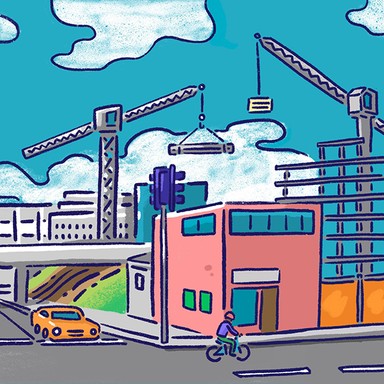
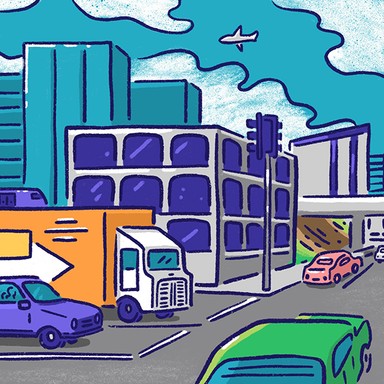
Helping communities get from A to B is a key responsibility of local government, from making sure the buses run on time to providing car parking and walking and cycling paths. Whether public transport is the responsibility of the regional or local council depends on where you are in the country. Local councils also own 87% of New Zealand’s roads.
Transport
Helping communities get from A to B is a key responsibility of local government, from making sure the buses run on time to providing car parking and walking and cycling paths. Whether public transport is the responsibility of the regional or local council depends on where you are in the country. Local councils also own 87% of New Zealand’s roads.
Let people choose how they travel and stop social engineering through anti-car policies.
Stop wasting money on cycleways, speed bumps and parking cuts and investigate smart speed bumps that only operate if speeding.
Focus transport budgets on fixing potholes, resurfacing roads and upgrading key routes.
Support regional council with reducing the cost of public transport with fare caps limiting the amount paid across a week.
Continue investment in developing safe, connected walking and cycling networks, working closely with communities.
Support a second Mt Victoria tunnel option and advocate for priority bus, walking and cycling options between the eastern suburbs and CBD.
Create a balanced transport policy without punishing motorists as residents and businesses need access and parking where they live and play.
Review speed reduction mechanisms, remove excessive and dangerous speedhumps and replace them with alternative methods.
Improve the reliability of bus and train services by minimising disruptions and communicating them well in advance.
Finish the Paneke Pōneke cycle network across the city as quickly as government funding and budgets allow.
Roll out bus priority across the city to cut travel times for bus users.
Take most private vehicles out of the Golden Mile to prioritise public and active transport and space for people.
Let people choose how they travel and stop social engineering through anti-car policies.
Stop wasting money on cycleways, speed bumps and parking cuts and investigate smart speed bumps that only operate if speeding.
Focus transport budgets on fixing potholes, resurfacing roads and upgrading key routes.
Support regional council with reducing the cost of public transport with fare caps limiting the amount paid across a week.
Continue investment in developing safe, connected walking and cycling networks, working closely with communities.
Support a second Mt Victoria tunnel option and advocate for priority bus, walking and cycling options between the eastern suburbs and CBD.
Create a balanced transport policy without punishing motorists as residents and businesses need access and parking where they live and play.
Review speed reduction mechanisms, remove excessive and dangerous speedhumps and replace them with alternative methods.
Improve the reliability of bus and train services by minimising disruptions and communicating them well in advance.
Finish the Paneke Pōneke cycle network across the city as quickly as government funding and budgets allow.
Roll out bus priority across the city to cut travel times for bus users.
Take most private vehicles out of the Golden Mile to prioritise public and active transport and space for people.
Mayor
Compare the mayoral candidates in your area
Local council
Compare the candidates for your city or district council
Regional council
Compare the candidates for your regional council
Local board
Compare the candidates for your local or community board