Wellington City Council






Climate change and resilience
Climate change poses a huge challenge for communities as more frequent extreme weather events require us to rethink how we live and where. Local authorities are at the forefront of efforts to respond, with responsibilities for environmental planning and regulation, as well as civil defence. Many councils have plans to reduce emissions in their area and are working to help their communities adapt to a warming world.
Climate change and resilience
Climate change poses a huge challenge for communities as more frequent extreme weather events require us to rethink how we live and where. Local authorities are at the forefront of efforts to respond, with responsibilities for environmental planning and regulation, as well as civil defence. Many councils have plans to reduce emissions in their area and are working to help their communities adapt to a warming world.
Commit to strengthening Wellington's critical infrastructure to withstand earthquakes, flooding and extreme weather events.
Commit to conducting annual emergency preparedness workshops and community-led drills in high-risk areas such as our hillside suburbs.
Commit to converting council facilities to being more carbon neutral when equipment nears end of life.
Work with the government on earthquake-prone building reform to ease the burden on Wellington and strike a balance between safety and cost.
Back the development of meaningful resilience and adaptation plans for Wellington's most vulnerable communities.
Work collaboratively with local and regional authorities to develop a regional climate plan with clear emission targets.
Stop wasting ratepayers' money on emissions cuts and focus council on core local services, not climate activism.
Remove emissions considerations from all council decisions and consents and prioritise value for money.
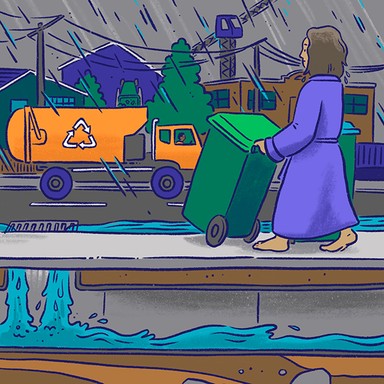
Invest in stormwater systems and stop banks to protect homes, businesses and communities from severe weather.
Commit to strengthening Wellington's critical infrastructure to withstand earthquakes, flooding and extreme weather events.
Commit to conducting annual emergency preparedness workshops and community-led drills in high-risk areas such as our hillside suburbs.
Commit to converting council facilities to being more carbon neutral when equipment nears end of life.
Work with the government on earthquake-prone building reform to ease the burden on Wellington and strike a balance between safety and cost.
Back the development of meaningful resilience and adaptation plans for Wellington's most vulnerable communities.
Work collaboratively with local and regional authorities to develop a regional climate plan with clear emission targets.
Stop wasting ratepayers' money on emissions cuts and focus council on core local services, not climate activism.
Remove emissions considerations from all council decisions and consents and prioritise value for money.
Invest in stormwater systems and stop banks to protect homes, businesses and communities from severe weather.
Mayor
Compare the mayoral candidates in your area
Local council
Compare the candidates for your city or district council
Regional council
Compare the candidates for your regional council
Local board
Compare the candidates for your local or community board