Wellington City Council





Utilities and services
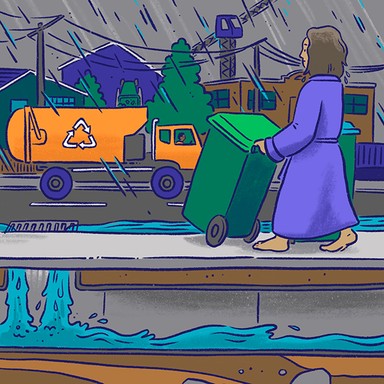
Councils are responsible for a wide range of utilities and services that we all rely on, from rubbish and recycling to street cleaning. Councils are currently also responsible for managing waste water, storm water and drinking water infrastructure – the ‘Three Waters’. But that may be about to change, with central government seeking to shift the delivery of Three Waters services to four new larger entities, which could borrow enough to upgrade the country’s water infrastructure.
Utilities and services
Councils are responsible for a wide range of utilities and services that we all rely on, from rubbish and recycling to street cleaning. Councils are currently also responsible for managing waste water, storm water and drinking water infrastructure – the ‘Three Waters’. But that may be about to change, with central government seeking to shift the delivery of Three Waters services to four new larger entities, which could borrow enough to upgrade the country’s water infrastructure.
Devise a funding model to ensure that utilities services continue into the future.
Fix and future-proof water infrastructure by upgrading stormwater and investing in long-term resilience so the city is future proofed.
Explore better waste management including recycling and food waste with reliable core services essential for every household and business.
Build with sustainability in mind so every infrastructure project strengthens Wellington's resilience to climate change.
Identify opportunities to bring services in-house to improve service quality and cost efficiency such as traffic management and cleaning.
Develop a water consumer charter, prioritising recruitment of a permanent local workforce and guaranteed access for users.
Support the creation of a new entity for water co-owned by the five metro councils.
Oppose cuts to bin collection frequency as reliable rubbish and recycling are basic services.
Invest in water and wastewater infrastructure rather than vanity projects or political distractions.
Streamline consents and dog registration to reduce delays, costs and fees for residents.
Continue to invest in maintenance and upgrade of critical water infrastructure.
Investigate a plumbing warrant of fitness to ensure that privately owned pipes are not leaking drinking water or sewage.
Support the zero waste strategy, including measures to strengthen Wellington's circular economy and stop organic waste going into landfill.
Devise a funding model to ensure that utilities services continue into the future.
Fix and future-proof water infrastructure by upgrading stormwater and investing in long-term resilience so the city is future proofed.
Explore better waste management including recycling and food waste with reliable core services essential for every household and business.
Build with sustainability in mind so every infrastructure project strengthens Wellington's resilience to climate change.
Identify opportunities to bring services in-house to improve service quality and cost efficiency such as traffic management and cleaning.
Develop a water consumer charter, prioritising recruitment of a permanent local workforce and guaranteed access for users.
Support the creation of a new entity for water co-owned by the five metro councils.
Oppose cuts to bin collection frequency as reliable rubbish and recycling are basic services.
Invest in water and wastewater infrastructure rather than vanity projects or political distractions.
Streamline consents and dog registration to reduce delays, costs and fees for residents.
Continue to invest in maintenance and upgrade of critical water infrastructure.
Investigate a plumbing warrant of fitness to ensure that privately owned pipes are not leaking drinking water or sewage.
Support the zero waste strategy, including measures to strengthen Wellington's circular economy and stop organic waste going into landfill.
Mayor
Compare the mayoral candidates in your area
Local council
Compare the candidates for your city or district council
Regional council
Compare the candidates for your regional council
Local board
Compare the candidates for your local or community board