Upper Hutt City Council







Housing and planning
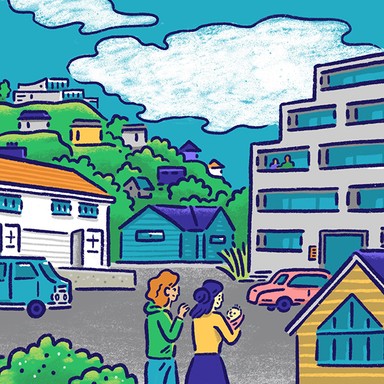
Local councils are responsible for land use planning under the Resource Management Act, which affects where and how new houses are constructed, as well as the design of cities and towns. In some areas, councils also provide housing to those who need it most.
Housing and planning
Local councils are responsible for land use planning under the Resource Management Act, which affects where and how new houses are constructed, as well as the design of cities and towns. In some areas, councils also provide housing to those who need it most.
Create a developer pays policy towards improved infrastructure results.
Allow more high-density urban zones around strong public transport corridors.
Increase support for struggling demographics.
Be clear about exactly what is and what is not within the ability of UHCC to deliver in housing given the funding available.
Ensure that UHCC is adequately resourced to address the impacts of changing government policy on housing in the city.
Enhance streetscapes and urban spaces for safe, vibrant communities to enjoy.
Address homelessness through targeted programs and community partnerships.
Promote affordable housing initiatives to keep homes within reach for more residents.
Leave social housing to the private market and not provide council social housing.
Leave social housing to the private market and not provide it through the council.
Work with new building code and related compliance changes to provide the best possible affordable construction experience for housing.
Promote pride of ownership around Upper Hutt City to maintain real quality of life and address neglect of some properties.
Keep rates down to ensure rents do not rise as a direct result of council-sourced cost increases, recognising renters pay rates through their rents.
Support clear consultation with communities before major housing developments.
Encourage appropriate affordable accommodation for people living in Upper Hutt.
Support housing intensification near transport hubs such as railway stations and long bus routes.
Engage with government departments to ensure inadequate accommodation is identified and repaired.
Implement policies to speed up the building consents approval process to encourage faster building of homes.
Investigate land use with a view to building outwards not upwards to avoid mass inner city housing and the associated issues.
Fast track building and resource consents to support housing affordability and development.
Introduce mini referendums to provide Upper Hutt ratepayers a chance to have their say on key industrial and commercial zoning.
Increase industrial and commercial zoning to alleviate pressure on residential ratepayers who are shouldering council expenditure.
Increase the supply of affordable housing by fast-tracking consents for quality, sustainable developments.
Rezone underused urban land to enable higher-density housing while preserving green spaces and amenities.
Upgrade council-owned housing with improved insulation, heating and weatherproofing for healthier homes.
Create a developer pays policy towards improved infrastructure results.
Allow more high-density urban zones around strong public transport corridors.
Increase support for struggling demographics.
Be clear about exactly what is and what is not within the ability of UHCC to deliver in housing given the funding available.
Ensure that UHCC is adequately resourced to address the impacts of changing government policy on housing in the city.
Enhance streetscapes and urban spaces for safe, vibrant communities to enjoy.
Address homelessness through targeted programs and community partnerships.
Promote affordable housing initiatives to keep homes within reach for more residents.
Leave social housing to the private market and not provide council social housing.
Leave social housing to the private market and not provide it through the council.
Work with new building code and related compliance changes to provide the best possible affordable construction experience for housing.
Promote pride of ownership around Upper Hutt City to maintain real quality of life and address neglect of some properties.
Keep rates down to ensure rents do not rise as a direct result of council-sourced cost increases, recognising renters pay rates through their rents.
Support clear consultation with communities before major housing developments.
Encourage appropriate affordable accommodation for people living in Upper Hutt.
Support housing intensification near transport hubs such as railway stations and long bus routes.
Engage with government departments to ensure inadequate accommodation is identified and repaired.
Implement policies to speed up the building consents approval process to encourage faster building of homes.
Investigate land use with a view to building outwards not upwards to avoid mass inner city housing and the associated issues.
Fast track building and resource consents to support housing affordability and development.
Introduce mini referendums to provide Upper Hutt ratepayers a chance to have their say on key industrial and commercial zoning.
Increase industrial and commercial zoning to alleviate pressure on residential ratepayers who are shouldering council expenditure.
Increase the supply of affordable housing by fast-tracking consents for quality, sustainable developments.
Rezone underused urban land to enable higher-density housing while preserving green spaces and amenities.
Upgrade council-owned housing with improved insulation, heating and weatherproofing for healthier homes.
Mayor
Compare the mayoral candidates in your area
Local council
Compare the candidates for your city or district council
Regional council
Compare the candidates for your regional council
Local board
Compare the candidates for your local or community board