Palmerston North City Council
Climate change and resilience
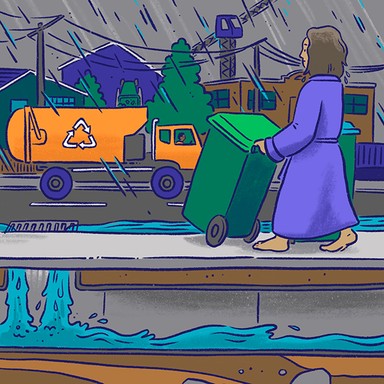
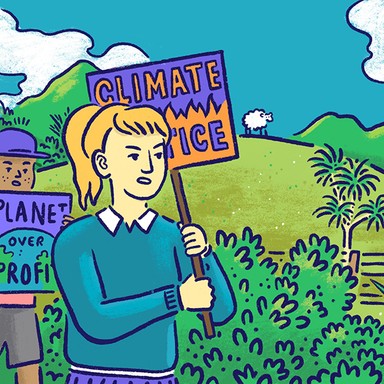
Climate change poses a huge challenge for communities as more frequent extreme weather events require us to rethink how we live and where. Local authorities are at the forefront of efforts to respond, with responsibilities for environmental planning and regulation, as well as civil defence. Many councils have plans to reduce emissions in their area and are working to help their communities adapt to a warming world.
Climate change and resilience
Climate change poses a huge challenge for communities as more frequent extreme weather events require us to rethink how we live and where. Local authorities are at the forefront of efforts to respond, with responsibilities for environmental planning and regulation, as well as civil defence. Many councils have plans to reduce emissions in their area and are working to help their communities adapt to a warming world.
Commit to the priorities of emergency management and civil defence, calibrated to the local community and individual needs.
Ensure that climate change policies are appropriate and calibrated to local conditions.
Ensure that aspirational climate change policies are realistic in terms of council expenditure and actions.
Continue initiatives to lower greenhouse gas emissions.
Continue medium density housing to ensure people are close to services.
Help educate and assist the community around these issues.
Develop climate action plans supporting Manawatū community wellbeing and mental health during floods and storms.
Invest in green spaces like parks and riverbanks to promote outdoor wellbeing and resilience to climate impacts.
Promote local education on emergency preparedness, focusing on rural and urban areas vulnerable to climate risks.
Adopt a comprehensive stormwater strategy to reduce flood risk to properties from increased rainfall and intensification.
Co-develop a community-facing climate action plan so residents are aware of the city's risk and mitigation and adaptation solutions.
Use the low-carbon fund to solar-power more council facilities, reducing electricity bills and emissions while building resilience.
Support environmental initiatives through our low carbon fund, such as replacing old heating systems, where it adds up financially.
Commit to completing earthquake strengthening to prominent civic buildings including the library and museum.
Co-design and implement a strong community-driven climate action plan for the city, resourced by public and private investment.
Transition council buildings and facilities including swimming pools onto 100% clean, renewable energy by 2035, with half done by 2030.
Boost stormwater capacity, including permeable surface standards, to be better prepared for extreme wet weather events.
Deliver a sustainable future and reduce ecological footprint through more effective planning of infrastructure.
Protect, maintain and enhance natural and built environment.
Work towards the city becoming a low carbon economy.
Commit to continue strengthening ties with surrounding councils on climate resilience.
Commit to pushing for lower emission options for the council fleet of vehicles.
Commit to funding cost-effective measures to strengthen earthquake-prone buildings.
Progress initiatives to lower greenhouse gas emissions and educate the community to play their part.
Encourage and enable increased housing density so people are closer to services.
Encourage continued edible food planting across the city to improve food resilience.
Continue investing in low carbon alternatives through the council's low-carbon fund.
Make it easier for people to walk, cycle and use public transport.
Develop a city-wide stormwater policy to help with adaptation to changes in rainfall.
Strengthen civil defence readiness through improved community training, resources and communication systems.
Invest in earthquake strengthening for council-owned and community-critical infrastructure.
Support adaptation measures such as flood protection upgrades, improved stormwater management and climate-resilient urban design.
Support clean energy and waste reduction for a greener future.
Implement climate adaptation strategies that protect communities from rising sea levels, flooding and extreme weather.
Teach sustainable gardening including growing your own food, how to grow more edible gardens and encourage composting for recycling.
Seek opportunities to lower emissions significantly while managing costs, such as solar power and landfill waste reduction.
Support renewable energy creation in the region.
Support civil preparedness for natural disasters and emergencies through education, civil defence, and flood resilient city planning.
Commit to the priorities of emergency management and civil defence, calibrated to the local community and individual needs.
Ensure that climate change policies are appropriate and calibrated to local conditions.
Ensure that aspirational climate change policies are realistic in terms of council expenditure and actions.
Continue initiatives to lower greenhouse gas emissions.
Continue medium density housing to ensure people are close to services.
Help educate and assist the community around these issues.
Develop climate action plans supporting Manawatū community wellbeing and mental health during floods and storms.
Invest in green spaces like parks and riverbanks to promote outdoor wellbeing and resilience to climate impacts.
Promote local education on emergency preparedness, focusing on rural and urban areas vulnerable to climate risks.
Adopt a comprehensive stormwater strategy to reduce flood risk to properties from increased rainfall and intensification.
Co-develop a community-facing climate action plan so residents are aware of the city's risk and mitigation and adaptation solutions.
Use the low-carbon fund to solar-power more council facilities, reducing electricity bills and emissions while building resilience.
Support environmental initiatives through our low carbon fund, such as replacing old heating systems, where it adds up financially.
Commit to completing earthquake strengthening to prominent civic buildings including the library and museum.
Co-design and implement a strong community-driven climate action plan for the city, resourced by public and private investment.
Transition council buildings and facilities including swimming pools onto 100% clean, renewable energy by 2035, with half done by 2030.
Boost stormwater capacity, including permeable surface standards, to be better prepared for extreme wet weather events.
Deliver a sustainable future and reduce ecological footprint through more effective planning of infrastructure.
Protect, maintain and enhance natural and built environment.
Work towards the city becoming a low carbon economy.
Commit to continue strengthening ties with surrounding councils on climate resilience.
Commit to pushing for lower emission options for the council fleet of vehicles.
Commit to funding cost-effective measures to strengthen earthquake-prone buildings.
Progress initiatives to lower greenhouse gas emissions and educate the community to play their part.
Encourage and enable increased housing density so people are closer to services.
Encourage continued edible food planting across the city to improve food resilience.
Continue investing in low carbon alternatives through the council's low-carbon fund.
Make it easier for people to walk, cycle and use public transport.
Develop a city-wide stormwater policy to help with adaptation to changes in rainfall.
Strengthen civil defence readiness through improved community training, resources and communication systems.
Invest in earthquake strengthening for council-owned and community-critical infrastructure.
Support adaptation measures such as flood protection upgrades, improved stormwater management and climate-resilient urban design.
Support clean energy and waste reduction for a greener future.
Implement climate adaptation strategies that protect communities from rising sea levels, flooding and extreme weather.
Teach sustainable gardening including growing your own food, how to grow more edible gardens and encourage composting for recycling.
Seek opportunities to lower emissions significantly while managing costs, such as solar power and landfill waste reduction.
Support renewable energy creation in the region.
Support civil preparedness for natural disasters and emergencies through education, civil defence, and flood resilient city planning.
Mayor
Compare the mayoral candidates in your area
Local council
Compare the candidates for your city or district council
Regional council
Compare the candidates for your regional council
Local board
Compare the candidates for your local or community board