Otago Regional Council




Climate change and resilience
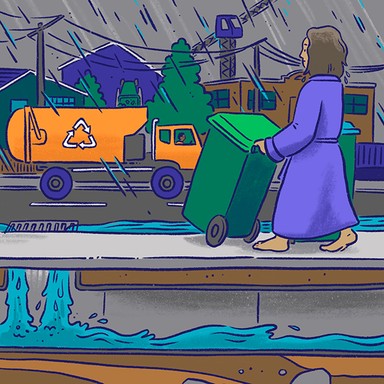
Climate change poses a huge challenge for communities as more frequent extreme weather events require us to rethink how we live and where. Local authorities are at the forefront of efforts to respond, with responsibilities for environmental planning and regulation, as well as civil defence. Many councils have plans to reduce emissions in their area and are working to help their communities adapt to a warming world.
Climate change and resilience
Climate change poses a huge challenge for communities as more frequent extreme weather events require us to rethink how we live and where. Local authorities are at the forefront of efforts to respond, with responsibilities for environmental planning and regulation, as well as civil defence. Many councils have plans to reduce emissions in their area and are working to help their communities adapt to a warming world.
Take regional leadership to help businesses and farmers across Otago move to a sustainable low emissions future.
Build better public transport services to reduce transport emissions across the region.
Review flood protection capacity and expectations in view of the changed rainfall patterns accompanying climate change.
Update the regional climate strategy with robust mitigation initiatives to reduce both internal and regional emissions.
Adopt a positive long-term adaptation plan for South Dunedin based on community direction through the South Dunedin Future programme.
Work with other vulnerable communities in Otago on dynamic adaptive pathways planning to implement community-led adaptation options.
Provide clear science and data so communities understand climate risks and timelines for informed local decisions.
Prioritise high-risk areas and work with communities to design fair, practical adaptation and mitigation plans.
Lead by cutting emissions and raising regional awareness to build resilience and climate action together.
Declare a climate and ecological emergency, acknowledging the need to rapidly reduce overall consumption of energy and resources.
Remove council support from luxury high emissions industries and ban fossil fuel advertising in Otago.
Improve active and public transport options including reliable, regular and low cost buses and inter-regional passenger rail.
Encourage active transport in major centres.
Support renewable energy including the use of ground-source heat pumps.
Support non-engineered flooding solutions including restoring wetland.
Implement the South Dunedin Future strategy, supporting adaptation that makes space for water through waterways, wetlands and some retreat.
Support the scope and implementation of the Otago natural hazards risk assessment. This project will inform future natural hazard management.
Support other activity to understand the impact of flood events, including civil defence response.
Take regional leadership to help businesses and farmers across Otago move to a sustainable low emissions future.
Build better public transport services to reduce transport emissions across the region.
Review flood protection capacity and expectations in view of the changed rainfall patterns accompanying climate change.
Update the regional climate strategy with robust mitigation initiatives to reduce both internal and regional emissions.
Adopt a positive long-term adaptation plan for South Dunedin based on community direction through the South Dunedin Future programme.
Work with other vulnerable communities in Otago on dynamic adaptive pathways planning to implement community-led adaptation options.
Provide clear science and data so communities understand climate risks and timelines for informed local decisions.
Prioritise high-risk areas and work with communities to design fair, practical adaptation and mitigation plans.
Lead by cutting emissions and raising regional awareness to build resilience and climate action together.
Declare a climate and ecological emergency, acknowledging the need to rapidly reduce overall consumption of energy and resources.
Remove council support from luxury high emissions industries and ban fossil fuel advertising in Otago.
Improve active and public transport options including reliable, regular and low cost buses and inter-regional passenger rail.
Encourage active transport in major centres.
Support renewable energy including the use of ground-source heat pumps.
Support non-engineered flooding solutions including restoring wetland.
Implement the South Dunedin Future strategy, supporting adaptation that makes space for water through waterways, wetlands and some retreat.
Support the scope and implementation of the Otago natural hazards risk assessment. This project will inform future natural hazard management.
Support other activity to understand the impact of flood events, including civil defence response.
Mayor
Compare the mayoral candidates in your area
Local council
Compare the candidates for your city or district council
Regional council
Compare the candidates for your regional council
Local board
Compare the candidates for your local or community board