Matamata-Piako District Council





Rates and revenue
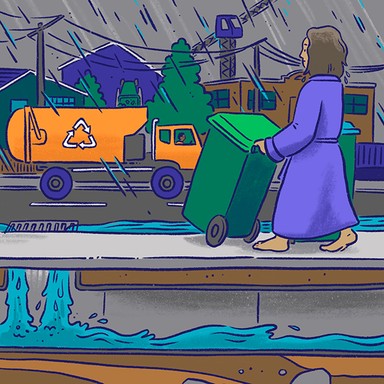
The work of local government is funded mainly by property taxes in the local area, known as rates. This makes up around 60% of council expenditure, with the rest coming from user charges, investment income, regulatory fees and roading subsidies. Councils can also borrow money to spread the cost of large investments such as infrastructure over a longer period of time.
Rates and revenue
The work of local government is funded mainly by property taxes in the local area, known as rates. This makes up around 60% of council expenditure, with the rest coming from user charges, investment income, regulatory fees and roading subsidies. Councils can also borrow money to spread the cost of large investments such as infrastructure over a longer period of time.
Insist on sticking to basic operations around water, rubbish and roads so spending remains within clearly defined budgets.
Review council investments to ensure return on investment is maximised and that debt is utilised when required.
Maximise the UAGC and increase focus on targeted rates (user pays).
Insist on sticking to basic operations around water, rubbish and roads so spending remains within clearly defined budgets.
Review council investments to ensure return on investment is maximised and that debt is utilised when required.
Maximise the UAGC and increase focus on targeted rates (user pays).
Mayor
Compare the mayoral candidates in your area
Local council
Compare the candidates for your city or district council
Regional council
Compare the candidates for your regional council
Local board
Compare the candidates for your local or community board