Kaipara District Council
Climate change and resilience
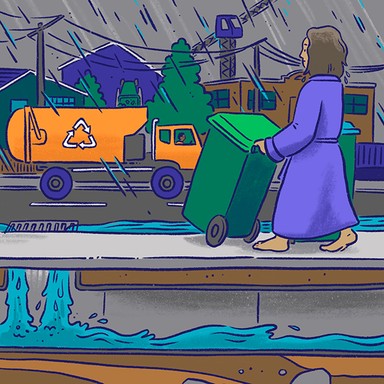
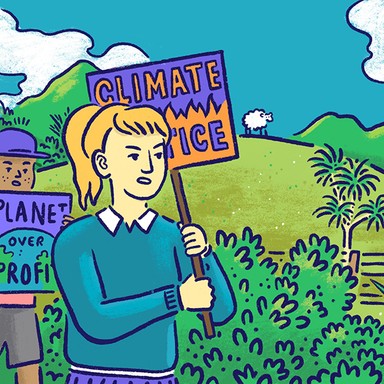
Climate change poses a huge challenge for communities as more frequent extreme weather events require us to rethink how we live and where. Local authorities are at the forefront of efforts to respond, with responsibilities for environmental planning and regulation, as well as civil defence. Many councils have plans to reduce emissions in their area and are working to help their communities adapt to a warming world.
Climate change and resilience
Climate change poses a huge challenge for communities as more frequent extreme weather events require us to rethink how we live and where. Local authorities are at the forefront of efforts to respond, with responsibilities for environmental planning and regulation, as well as civil defence. Many councils have plans to reduce emissions in their area and are working to help their communities adapt to a warming world.
Transition power generation to renewables including solar, wind and hydro.
Promote grid modernisation and energy storage.
Improve public transit, cycling and pedestrian networks.
Embed climate risk assessments into all council infrastructure planning to future-proof assets against flooding, sea level rise and drought.
Strengthen civil defence partnerships and community readiness by investing in local emergency response plans and infrastructure.
Develop community-led and hapū-led coastal adaptation plans using adaptive pathways planning.
Reduce pollution so that citizens can benefit directly from changes made.
Find ways to harvest the energy contained in waste and unlock the council's biggest contribution through its wastewater schemes.
Resume measuring council's CO2 outputs to help focus on where efficiencies can be made.
Transition power generation to renewables including solar, wind and hydro.
Promote grid modernisation and energy storage.
Improve public transit, cycling and pedestrian networks.
Embed climate risk assessments into all council infrastructure planning to future-proof assets against flooding, sea level rise and drought.
Strengthen civil defence partnerships and community readiness by investing in local emergency response plans and infrastructure.
Develop community-led and hapū-led coastal adaptation plans using adaptive pathways planning.
Reduce pollution so that citizens can benefit directly from changes made.
Find ways to harvest the energy contained in waste and unlock the council's biggest contribution through its wastewater schemes.
Resume measuring council's CO2 outputs to help focus on where efficiencies can be made.
Mayor
Compare the mayoral candidates in your area
Local council
Compare the candidates for your city or district council
Regional council
Compare the candidates for your regional council
Local board
Compare the candidates for your local or community board