Hibiscus and Bays Local Board




Local democracy
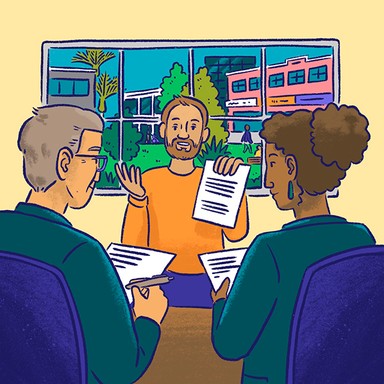
Local government is a foundational part of our democracy. But local democracy isn’t just about holding elections every three years – it’s about the day-to-day ways people have their say in the decisions that affect us all.
Local democracy
Local government is a foundational part of our democracy. But local democracy isn’t just about holding elections every three years – it’s about the day-to-day ways people have their say in the decisions that affect us all.
Build on public engagement improvements already started to improve the board's accessibility and responsiveness to the community.
Improve and develop relationships with people not regularly heard from, including youth, Māori and Asian communities.
Build on the relationships initiated with iwi to better align on projects of interest to the community, including environment.
Support a review by the Local Government Commission of the size and role of council and devolve further powers and funding to local boards.
Work collaboratively with iwi particularly on environmental issues.
Actively encourage greater engagement with a more representative cross section of residents, particularly young people, migrant groups and iwi.
Build on public engagement improvements already started to improve the board's accessibility and responsiveness to the community.
Improve and develop relationships with people not regularly heard from, including youth, Māori and Asian communities.
Build on the relationships initiated with iwi to better align on projects of interest to the community, including environment.
Support a review by the Local Government Commission of the size and role of council and devolve further powers and funding to local boards.
Work collaboratively with iwi particularly on environmental issues.
Actively encourage greater engagement with a more representative cross section of residents, particularly young people, migrant groups and iwi.
Mayor
Compare the mayoral candidates in your area
Local council
Compare the candidates for your city or district council
Regional council
Compare the candidates for your regional council
Local board
Compare the candidates for your local or community board