Greater Wellington Regional Council



Climate change and resilience
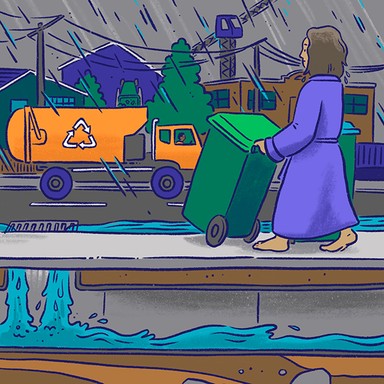
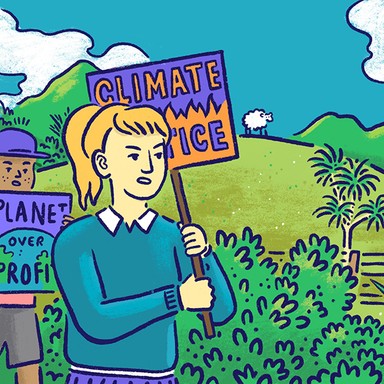
Climate change poses a huge challenge for communities as more frequent extreme weather events require us to rethink how we live and where. Local authorities are at the forefront of efforts to respond, with responsibilities for environmental planning and regulation, as well as civil defence. Many councils have plans to reduce emissions in their area and are working to help their communities adapt to a warming world.
Climate change and resilience
Climate change poses a huge challenge for communities as more frequent extreme weather events require us to rethink how we live and where. Local authorities are at the forefront of efforts to respond, with responsibilities for environmental planning and regulation, as well as civil defence. Many councils have plans to reduce emissions in their area and are working to help their communities adapt to a warming world.
Install solar for MetLink, paying off in four to seven years and then providing nearly free electricity for 20 years, which helps keep down rates rises as MetLink accounts for 64% of the budget.
Harden council parks and infrastructure to cost-effectively add resiliency and deal with increasing amounts of stormwater and climate change.
Integrate resiliency into all upgrades at Wellington Metro Water Treatment Plant renewals (see Facebook - TomMurphyforGreaterWellington).
Establish a real-impact assessment task force on the impact of climate change on specific suburbs 20, 30 and 50 years from now.
Identify areas where managed retreat may be needed from climate-affected areas such as coasts and cliffs to allow long-term planning.
Commit to the council being at worst carbon neutral in accordance with current best practice.
Improve flood defences with focus on nature-based methods including giving rivers room to move, wetlands, riparian planting and pest control.
Pursue council and region-wide emissions reduction targets including good public transport, accelerated electrification and nature restoration.
Champion bulk water infrastructure investment for earthquake resilience, capacity and efficiency including treatment plant upgrades.
Stop wasting ratepayers' money on emissions cuts and focus on core local services rather than climate activism.
Remove emissions considerations from all council decisions and consents and prioritise value for money.
Invest in stormwater systems and stopbanks to protect homes, businesses and communities from severe weather.
Participate in planting 20,000 trees in collaboration with Conservation New Zealand and Victoria University of Wellington.
Promote low carbon emission vehicles, buses on the streets, bikes and walkways and emission-free transport networks.
Initiate upgrading outdated civil defence with advanced warning system using cloud technologies for extreme weather events.
Install solar for MetLink, paying off in four to seven years and then providing nearly free electricity for 20 years, which helps keep down rates rises as MetLink accounts for 64% of the budget.
Harden council parks and infrastructure to cost-effectively add resiliency and deal with increasing amounts of stormwater and climate change.
Integrate resiliency into all upgrades at Wellington Metro Water Treatment Plant renewals (see Facebook - TomMurphyforGreaterWellington).
Establish a real-impact assessment task force on the impact of climate change on specific suburbs 20, 30 and 50 years from now.
Identify areas where managed retreat may be needed from climate-affected areas such as coasts and cliffs to allow long-term planning.
Commit to the council being at worst carbon neutral in accordance with current best practice.
Improve flood defences with focus on nature-based methods including giving rivers room to move, wetlands, riparian planting and pest control.
Pursue council and region-wide emissions reduction targets including good public transport, accelerated electrification and nature restoration.
Champion bulk water infrastructure investment for earthquake resilience, capacity and efficiency including treatment plant upgrades.
Stop wasting ratepayers' money on emissions cuts and focus on core local services rather than climate activism.
Remove emissions considerations from all council decisions and consents and prioritise value for money.
Invest in stormwater systems and stopbanks to protect homes, businesses and communities from severe weather.
Participate in planting 20,000 trees in collaboration with Conservation New Zealand and Victoria University of Wellington.
Promote low carbon emission vehicles, buses on the streets, bikes and walkways and emission-free transport networks.
Initiate upgrading outdated civil defence with advanced warning system using cloud technologies for extreme weather events.
Mayor
Compare the mayoral candidates in your area
Local council
Compare the candidates for your city or district council
Regional council
Compare the candidates for your regional council
Local board
Compare the candidates for your local or community board