Greater Wellington Regional Council



Transport
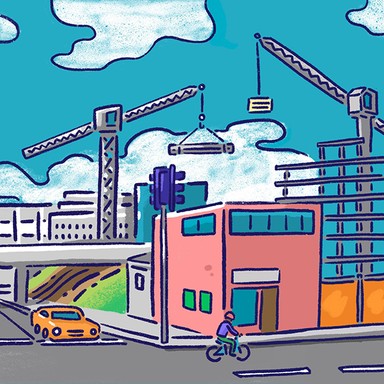
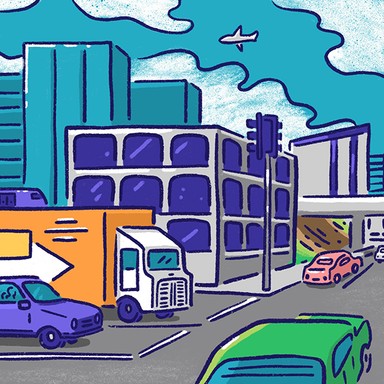
Helping communities get from A to B is a key responsibility of local government, from making sure the buses run on time to providing car parking and walking and cycling paths. Whether public transport is the responsibility of the regional or local council depends on where you are in the country. Local councils also own 87% of New Zealand’s roads.
Transport
Helping communities get from A to B is a key responsibility of local government, from making sure the buses run on time to providing car parking and walking and cycling paths. Whether public transport is the responsibility of the regional or local council depends on where you are in the country. Local councils also own 87% of New Zealand’s roads.
Make public transport more affordable with a weekly fare cap, for example $40 for zones 1 to 3.
Make buses faster, more frequent and reliable with more bus priority lanes on busy routes.
Improve rail reliability through government funding for track upgrades and ensure delivery of new hybrid-electric trains for regional services.
Reduce bus and train fares through a weekly cap on fares to help with the cost of living.
Expand the Wellington bus network, with more services to more places.
Secure new hybrid electric trains, which will mean faster and more reliable trips for Wellingtonians.
Ensure transport infrastructure is resilient to future climate impacts.
Continue delivering an excellent public transport system to Wellington.
Let people decide how they travel and provide transport services that are safe, reliable and efficient, including maintained roads for cars.
Stop taking money from ratepayers to make cycle lanes and avoid adding this cost and guilt to New Zealanders.
Focus on effective and reliable transport systems and advocate for involvement with central government to review future funding.
Introduce a maximum daily or weekly fare charge on public transport and ultimately free public transport.
Create a bus priority lane along the waterfront as already planned to reduce travel times, reduce congestion and increase bus use.
Improve and add trips on the Wairarapa and Palmerston North train lines and advocate for other inter-regional services such as to Auckland.
Invest in Wellington's bus network to achieve the goal of 85% of residents having a 15 minute walk or less to a high-frequency seven-day bus service.
Review the costs of train services and why so many are cancelled, provide better customer information and good bus replacement services if needed.
Support continued education and promotion around active travel, such as Pedal Ready and Moving March, and look for new ideas.
Expand the Wellington City bus network with more services to more places and keep fares affordable.
Reduce the cost of public transport with fare caps that limit the amount paid across a week.
Secure new hybrid electric trains for the Wellington region.
Make public transport more affordable with a weekly fare cap, for example $40 for zones 1 to 3.
Make buses faster, more frequent and reliable with more bus priority lanes on busy routes.
Improve rail reliability through government funding for track upgrades and ensure delivery of new hybrid-electric trains for regional services.
Reduce bus and train fares through a weekly cap on fares to help with the cost of living.
Expand the Wellington bus network, with more services to more places.
Secure new hybrid electric trains, which will mean faster and more reliable trips for Wellingtonians.
Ensure transport infrastructure is resilient to future climate impacts.
Continue delivering an excellent public transport system to Wellington.
Let people decide how they travel and provide transport services that are safe, reliable and efficient, including maintained roads for cars.
Stop taking money from ratepayers to make cycle lanes and avoid adding this cost and guilt to New Zealanders.
Focus on effective and reliable transport systems and advocate for involvement with central government to review future funding.
Introduce a maximum daily or weekly fare charge on public transport and ultimately free public transport.
Create a bus priority lane along the waterfront as already planned to reduce travel times, reduce congestion and increase bus use.
Improve and add trips on the Wairarapa and Palmerston North train lines and advocate for other inter-regional services such as to Auckland.
Invest in Wellington's bus network to achieve the goal of 85% of residents having a 15 minute walk or less to a high-frequency seven-day bus service.
Review the costs of train services and why so many are cancelled, provide better customer information and good bus replacement services if needed.
Support continued education and promotion around active travel, such as Pedal Ready and Moving March, and look for new ideas.
Expand the Wellington City bus network with more services to more places and keep fares affordable.
Reduce the cost of public transport with fare caps that limit the amount paid across a week.
Secure new hybrid electric trains for the Wellington region.
Mayor
Compare the mayoral candidates in your area
Local council
Compare the candidates for your city or district council
Regional council
Compare the candidates for your regional council
Local board
Compare the candidates for your local or community board