Auckland Council


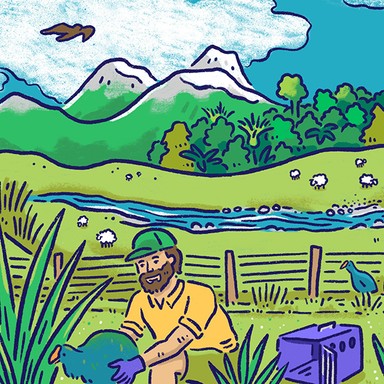
Environment and biodiversity
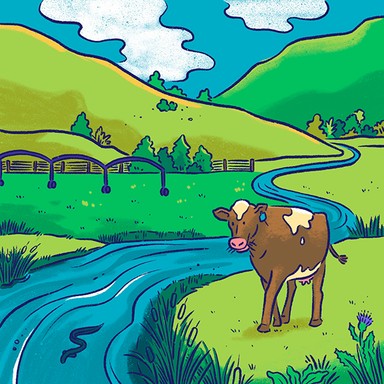
Protecting the environment and managing natural resources is a key responsibility of regional councils. Regional councils are often also involved in pest control and resource management.
Environment and biodiversity
Protecting the environment and managing natural resources is a key responsibility of regional councils. Regional councils are often also involved in pest control and resource management.
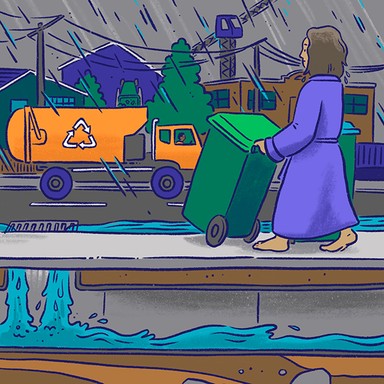
Invest in wastewater infrastructure so sewerage does not pollute local waterways, harbours or beaches.
Oppose any plan to reduce bin collection frequency as residents expect reliable services they already pay for.
Focus on basics including street cleaning, graffiti removal, mowing and care of parks and open spaces.
Support evidence-based community projects and technology to control pests and pollution, monitor and protect ecological system biodiversity, and restore ecosystems.
Support community-based resource recovery, product stewardship and recycling initiatives to educate people and reduce waste to landfill in line with the WMMP.
Prioritise action to protect and restore SEAs, habitats and ecosystems. Resource pollution response, education and enforcement teams for success.
Invest in wastewater infrastructure so sewerage does not pollute local waterways, harbours or beaches.
Oppose any plan to reduce bin collection frequency as residents expect reliable services they already pay for.
Focus on basics including street cleaning, graffiti removal, mowing and care of parks and open spaces.
Support evidence-based community projects and technology to control pests and pollution, monitor and protect ecological system biodiversity, and restore ecosystems.
Support community-based resource recovery, product stewardship and recycling initiatives to educate people and reduce waste to landfill in line with the WMMP.
Prioritise action to protect and restore SEAs, habitats and ecosystems. Resource pollution response, education and enforcement teams for success.
Mayor
Compare the mayoral candidates in your area
Local council
Compare the candidates for your city or district council
Regional council
Compare the candidates for your regional council
Local board
Compare the candidates for your local or community board